No products in the cart.

10 Montessori Toys for 2-Year-Olds That Encourage Independent Play
Two-year-olds are wonderfully curious, determined little humans. They want to pour the water, open the drawer, put on the shoes, feed the stuffed bear, and—most importantly—do it themselves. If you step in too quickly, you may hear the classic toddler response: “I DO IT!” Fair enough.
That growing desire for independence is why thoughtful play materials can be so useful. Montessori-inspired activities give toddlers hands-on things to explore, repeat, and master at their own pace. If you’re looking for simple options, explore these 10 Montessori Toys for 2-Year-Olds from KidBrainyZoo and give your child more chances to learn through play. Ready to make playtime more purposeful? Browse the 10 recommendations below and find a hands-on activity that fits your toddler.
Why Independent Play Matters at Age Two
Independent play does not mean leaving a toddler alone and hoping they suddenly become a tiny professor. At two, children are learning to focus, make choices, solve simple problems, and manage frustration. The goal is to create a safe environment where they can explore while knowing a parent or caregiver is nearby.
For parents, Montessori toys for independent play can create small pockets of breathing room. Maybe your toddler concentrates on matching pieces while you prepare lunch. It is not a guaranteed coffee break—two-year-olds reserve the right to cancel those—but it can help build focused play.
Choosing Montessori Toys for 2-Year-Olds: What to Look For
The best choices are not necessarily expensive, complicated, or covered in flashing lights. Look for activities with a clear purpose, manageable steps, hands-on movement, and enough flexibility for repetition.
At around age two, children are becoming more capable with their hands, language, movement, sorting, and pretend play. A good activity should feel interesting without being so difficult that your toddler launches the pieces across the room. Perfectly legitimate quality control.
1. Wooden Early Learning Toys for Babies & Toddlers
Simple wooden learning materials can be a great starting point for toddlers who enjoy touching, moving, stacking, matching, and exploring. This early learning set offers hands-on opportunities for coordination and concentration without overwhelming a child with complicated rules.
Toddlers often surprise us when we stop managing every move, so give them space to explore the activity at their own pace.
2. Talking Flash Cards & Counting Math Board for Kids
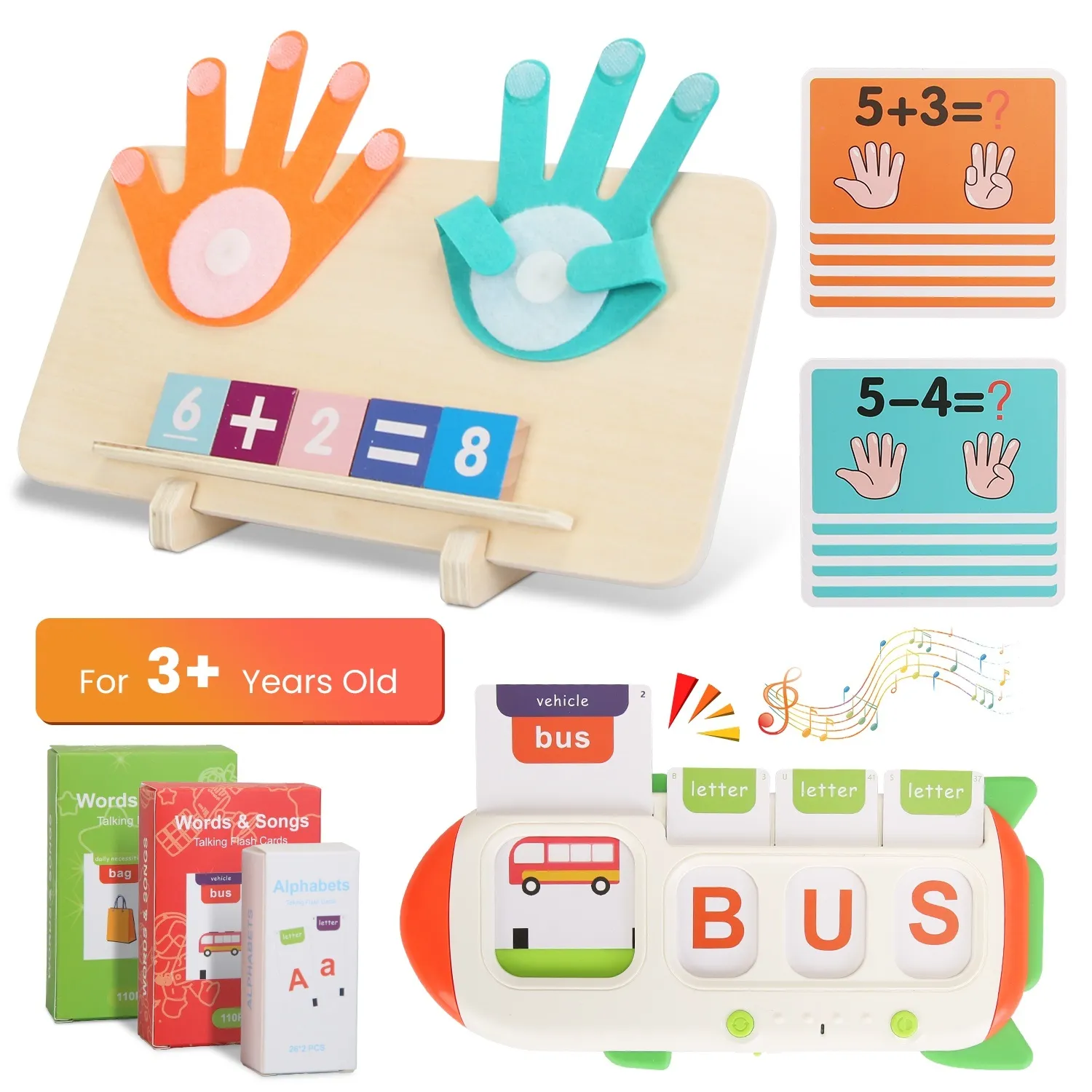
Language and early math can be playful rather than formal. A talking flash card and counting board gives toddlers opportunities to look, listen, touch, match, and count.
At two, your child may not sit down for a traditional “lesson,” and honestly, that is probably for the best. Name pictures together, count objects, or let your toddler explore the materials. Keep it playful.
3. Montessori Early Learning Wooden Toys
Wooden learning toys are a natural fit for families who want simple materials that encourage active participation. Rather than doing everything for the child, a well-designed wooden activity gives toddlers something to manipulate with their own hands.
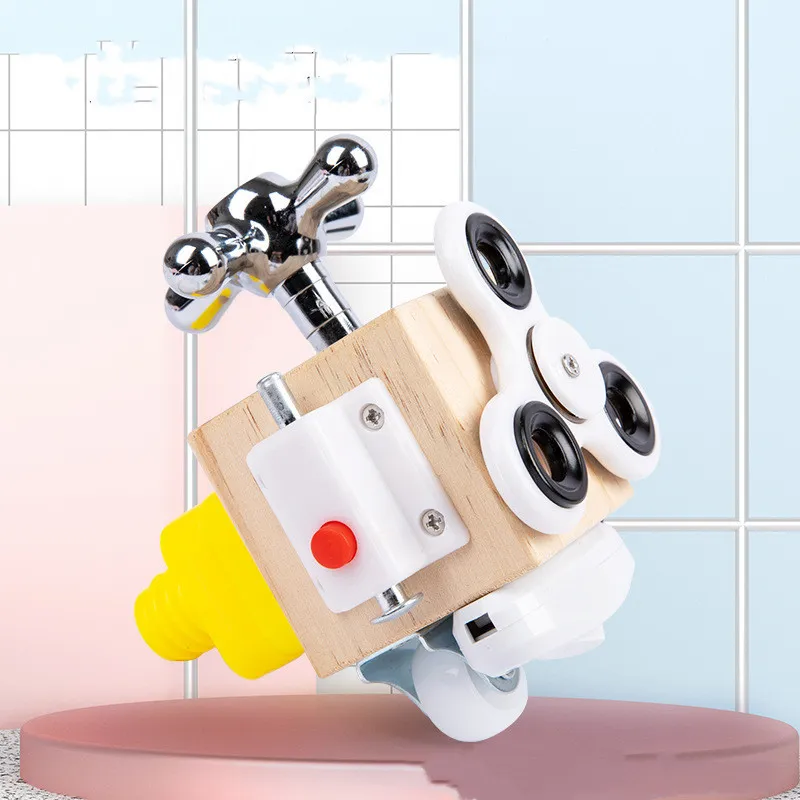
A small tray with only a few pieces is often less distracting than a giant toy box where everything seems to be having a meeting at once.
These Montessori toys for independent play can encourage repetition, concentration, and hand-eye coordination. Repetition is valuable because toddlers often want to do the same thing approximately 47 times. That is not a bug. That is toddler learning.
4. Montessori Toy Board Math Fishing
Math does not have to begin with worksheets. A playful fishing activity can introduce counting, matching, colors, and simple number concepts through movement.
For a two-year-old, keep the activity flexible. You might start by asking your child to find a color or count a few pieces. Later, introduce matching or number recognition as your child becomes ready.
5. Montessori Wooden Pounding Bench for Toddlers
Toddlers love action. Give them something they can tap, push, pull, stack, or move, and suddenly the living room becomes a very serious research laboratory.
A wooden pounding bench gives children a purposeful physical activity while encouraging hand-eye coordination and controlled movement. It also provides the satisfying repetition many toddlers naturally seek.
For parents building Montessori toys for independent play into a daily routine, an activity like this can be useful because the goal is easy to understand: move the pieces, repeat, and try again.
Always follow the manufacturer’s age guidance and supervise young children when needed.
6. Creative Children Montessori Sensory Baby Toys
Sensory play gives toddlers opportunities to explore textures, shapes, movement, and cause and effect. A sensory-focused toy can be especially appealing to children who like to touch everything—which, if you have a two-year-old, probably describes the entire household.
The goal is not to make your toddler complete a task perfectly. Give them a safe opportunity to explore and notice what happens when they interact with the material.
7. Montessori Dress-Up Bag for Kids
Pretend play becomes increasingly interesting during the toddler years. A dress-up bag encourages carrying, opening, closing, and imaginative scenarios.
Your child might pretend to pack for a trip, carry a favorite toy, or imitate an adult. Suddenly, a simple bag becomes a suitcase, purse, shopping bag, or very important executive briefcase. It gives children room to make choices and create stories.
8. Magnetic Alphabet Letters for Kids
Toddlers are surrounded by language, so alphabet materials can become a natural part of play. Magnetic letters can encourage children to handle letters, notice shapes, hear letter names, and explore symbols.
At age two, there is no need to turn this into a reading class. Start with a few familiar letters, such as the first letter of your child’s name. Let them move the pieces around and explore.
These Montessori toys for independent play can grow with the child. Today, your toddler may simply sort and move letters. Later, those same pieces can become part of early spelling activities.
9. Baby Montessori Early Education Schoolbag Educational Toys
A portable educational activity can be handy for families who need learning materials that move from room to room. A schoolbag-style toy can encourage toddlers to open, carry, organize, and explore.
It can be useful for travel, visits to grandparents, or quiet play elsewhere at home. Just remember: “educational toy” does not mean “instant entertainment for an entire road trip.” Toddlers remain toddlers, even at mile 73.
10. Montessori Materials Baby Wooden Toys
Simple wooden Montessori materials give toddlers another opportunity to practice grasping, placing, sorting, stacking, and repeating actions.
Sometimes, a child just needs an object they can investigate. It does not have to sing, flash, or announce that your toddler has successfully pushed a button.
How to Encourage More Independent Play at Home
Having good toys is only part of the equation. The environment matters, too.
Start with fewer choices. Instead of putting every toy on the floor, offer three or four activities that match your child’s interests. A low shelf, basket, or tray makes choices easier to see.
Demonstrate rather than lecture. Show your toddler how to use an activity, then let them try. If they struggle, wait a moment before helping.
Let repetition happen. If your child wants to stack the same pieces again and again, let them. That repetition helps refine movement and understanding.
Keep expectations realistic. Some days your child may focus for fifteen minutes. Other days a sock suddenly becomes fascinating. That is normal.
Independent play develops gradually. You are helping your child discover, “I can try this myself.”
How to Build a Simple Montessori Toy Rotation
A toy rotation does not need to become another parenting project. Choose a small number of activities and change them when your child loses interest, masters one, or needs a fresh challenge.
Try one fine-motor activity, one language activity, one counting or matching activity, one sensory activity, and one pretend-play option. Rotate rather than constantly adding. A calmer shelf makes each activity easier to notice.
Safety Tips for Toddler Play
Always check the manufacturer’s recommended age range and inspect toys regularly for damage or loose parts. Follow the product’s safety instructions and use supervision appropriate for your child’s age and abilities.
If an activity includes small components, follow the manufacturer’s guidance carefully and keep unsuitable pieces away from younger children.
A toy does not need to be labeled “Montessori” to support meaningful play. What matters is whether it gives your child an age-appropriate opportunity to explore, practice, repeat, and make simple choices.
Frequently Asked Questions
Are Montessori toys good for 2-year-olds?
They can be useful when they are age-appropriate and give children opportunities to explore, repeat, manipulate, and make simple choices.
How long should a 2-year-old play independently?
There is no universal number. Start with realistic expectations and gradually allow more time as your child becomes comfortable.
Should I buy expensive Montessori toys?
Not necessarily. Simple materials that encourage imagination and problem-solving can be valuable.
Where can I Buy Montessori Toys for 2-Year-Olds?
Look for age-appropriate, hands-on toys from a retailer that clearly explains the product, recommended age range, materials, and intended use. KidBrainyZoo offers educational toys for playful, hands-on learning.
Give Your Toddler Room to Discover
The magic of toddler play is that learning rarely looks like learning. It looks like stacking the same pieces again. It looks like fishing for one more number. It looks like putting letters on the refrigerator, packing a tiny bag, or tapping a wooden peg for the hundredth time.
The best Montessori toys for independent play give children a chance to do something meaningful with their hands while adults take a small step back. You are still there. You are still watching. You are simply giving your child room to try.
If you’re ready to refresh your toddler’s play shelf, explore these 10 Montessori Toys for 2-Year-Olds at KidBrainyZoo and choose hands-on activities that fit your child’s current interests, abilities, and stage of development.
Add comment